The Photographers of the Great Depression
Who made these pictures: five photographers of the Farm Security Administration, and the economist who hired them.
The photographs on this site were made by employees of a New Deal farm agency, the Resettlement Administration, which became the Farm Security Administration in 1937. Its small photographic unit, run by Roy Stryker, employed about a dozen photographers over its life; this site gathers the Depression-era work of five of them.
Each had a distinct way of seeing. Lange came close to people in crisis, Evans made cool, exact pictures of places, Rothstein and Lee worked as thorough reporters, and Shahn caught people unawares. Every photograph here also appears on its photographer's own archive.
Dorothea Lange
1895–1965 · Migrant Mother and the migration west
Lange ran a portrait studio in San Francisco before the Depression drew her into the streets. Her 1933 photograph of a breadline, White Angel Breadline, led to work for the California relief administration with the economist Paul Taylor, whom she married, and in 1935 to the Resettlement Administration.
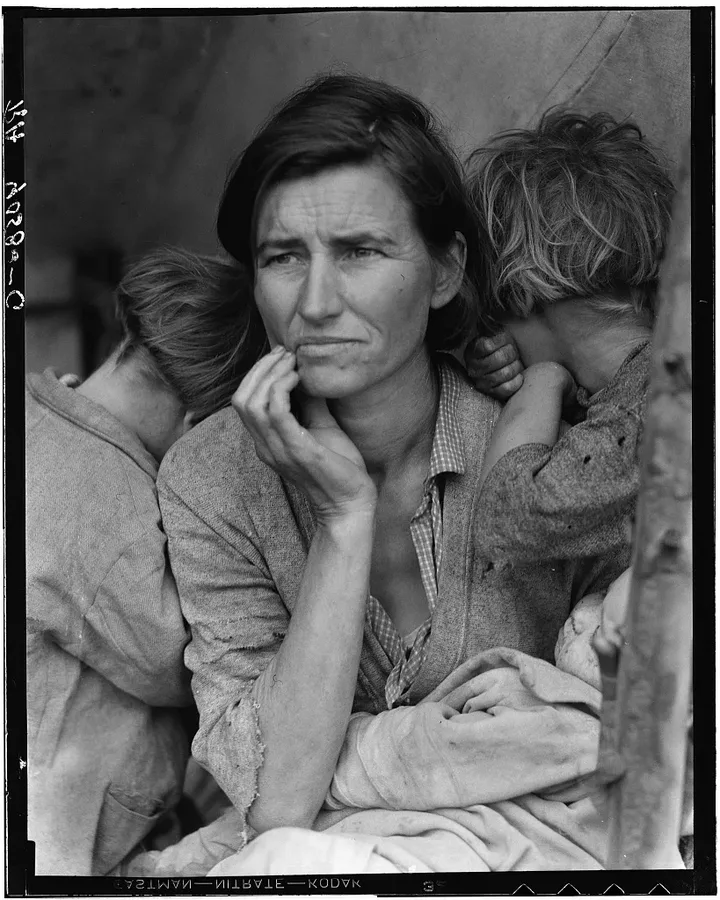
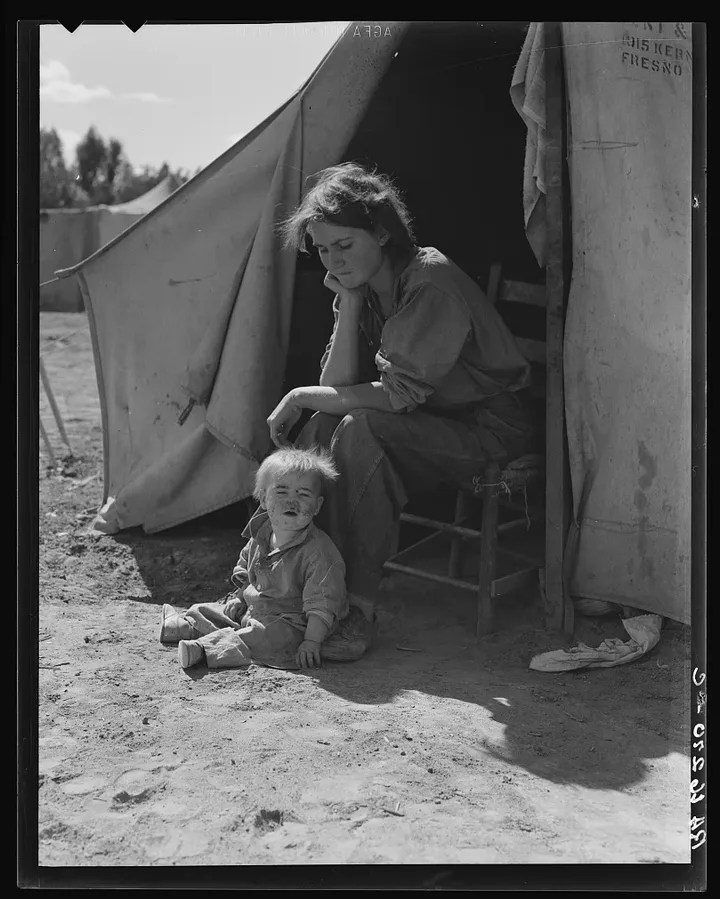
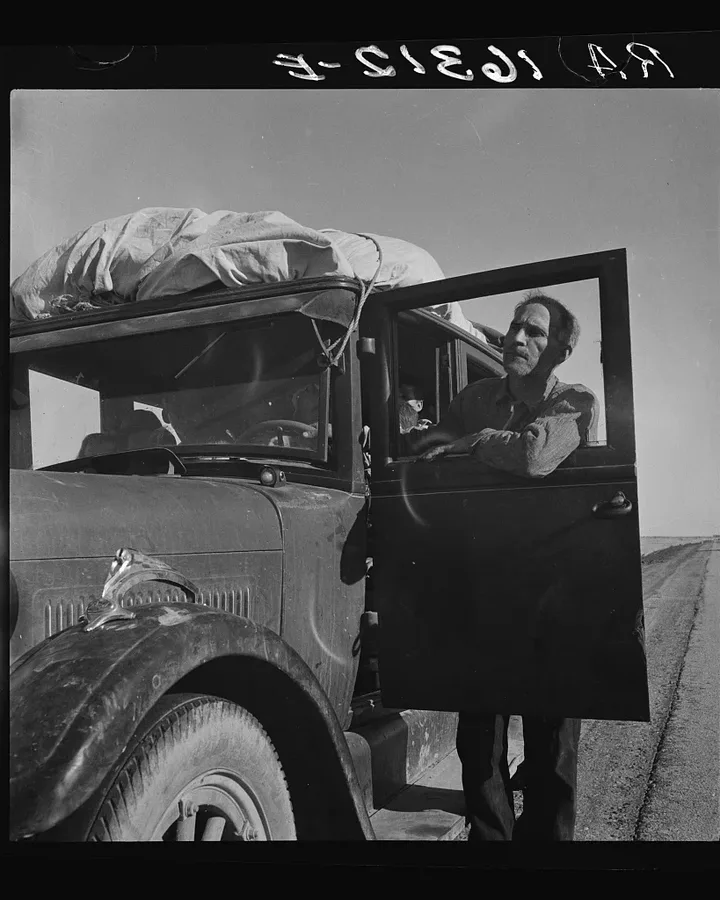
She photographed migrant families in California, the Plains, the South and the Pacific Northwest until 1939. Migrant Mother, made in March 1936 at a pea pickers' camp in Nipomo, California, became the most reproduced photograph of the era. In 1939 she and Taylor published An American Exodus. In 1942 she photographed the forced removal of Japanese Americans for the War Relocation Authority.
In this collection: About 970 photographs, 1935–1939. Her complete work and the stories behind her famous pictures are on the Dorothea Lange topic page and the Dorothea Lange Archive (dorothea-lange.com).
Sources: Library of Congress: Dorothea Lange
Walker Evans
1903–1975 · Hale County and the American vernacular
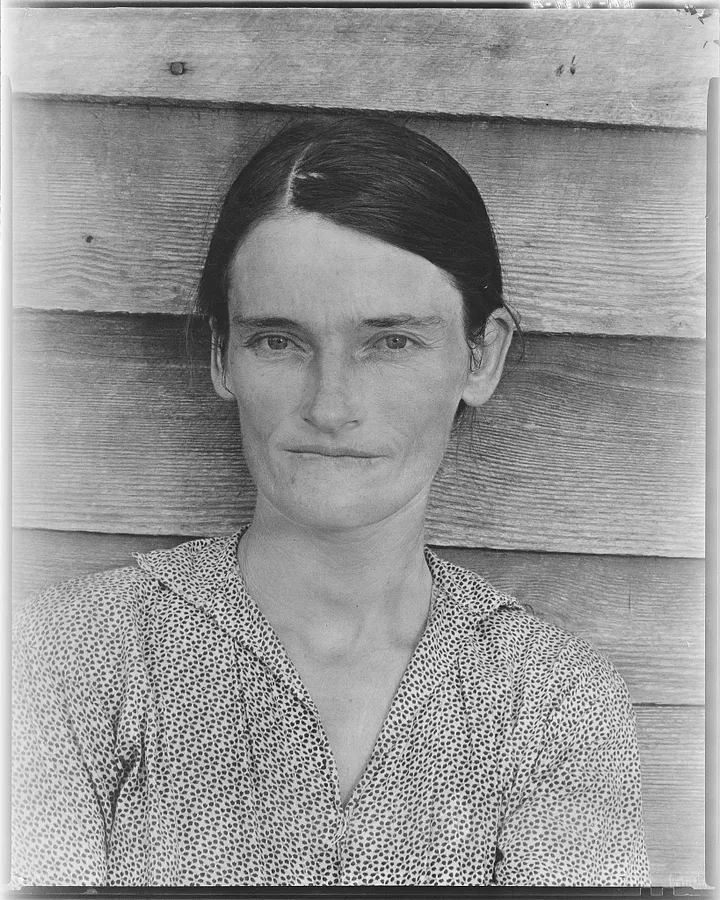
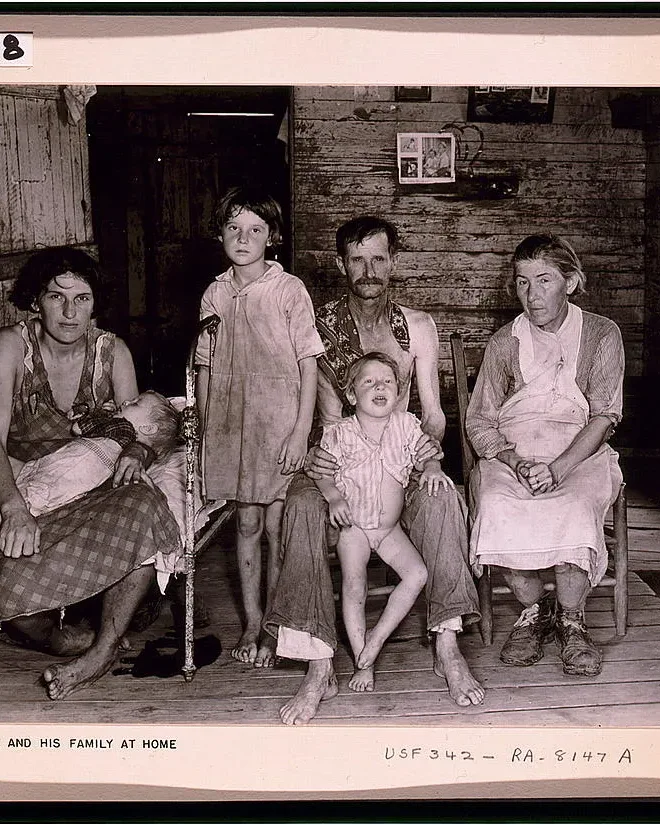
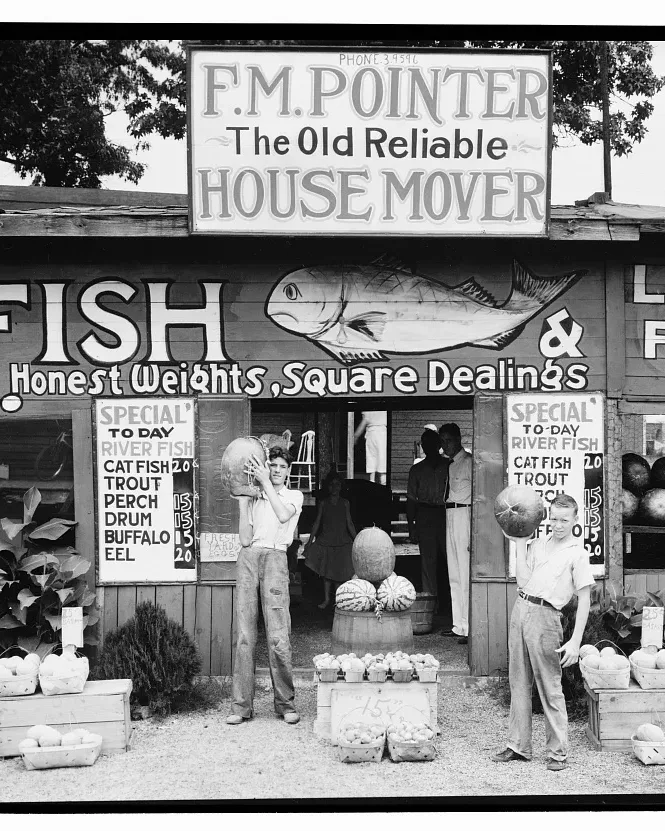
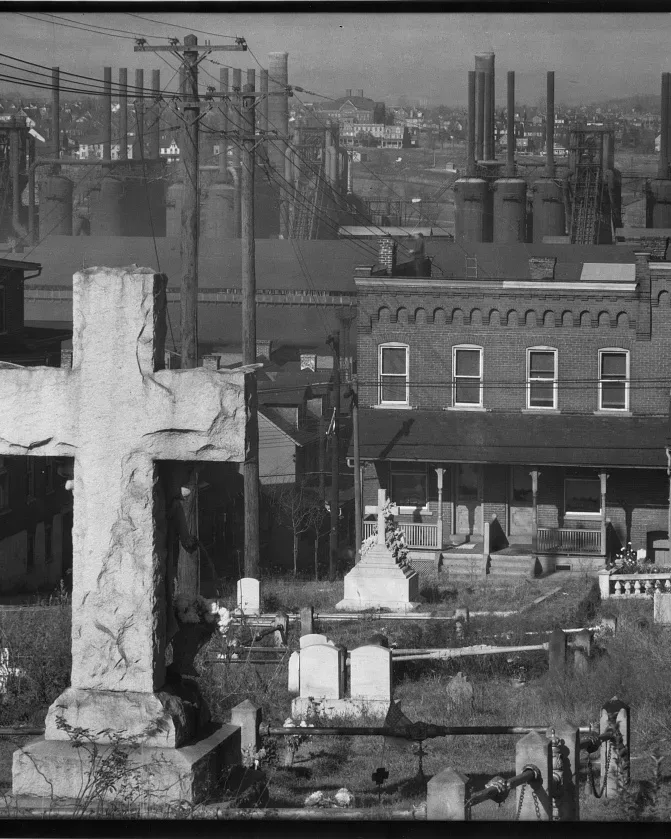
Evans worked for the Resettlement Administration and the FSA from 1935 to 1937, using a large view camera to make precise, frontal pictures of houses, storefronts, signs, churches and people. He resisted Stryker's direction and worked at his own pace.
In 1936 he and James Agee spent the summer with three sharecropping families in Hale County, Alabama, the basis of Let Us Now Praise Famous Men (1941). In 1938 the Museum of Modern Art gave him its first solo exhibition of a photographer, American Photographs. He later worked for Time and Fortune and taught at Yale.
In this collection: About 600 photographs, 1935–1938. See Walker Evans and Hale County; his complete archive is at walkerevansarchive.com.
Sources: Library of Congress: Walker Evans
Arthur Rothstein
1915–1985 · The Dust Bowl's defining photograph
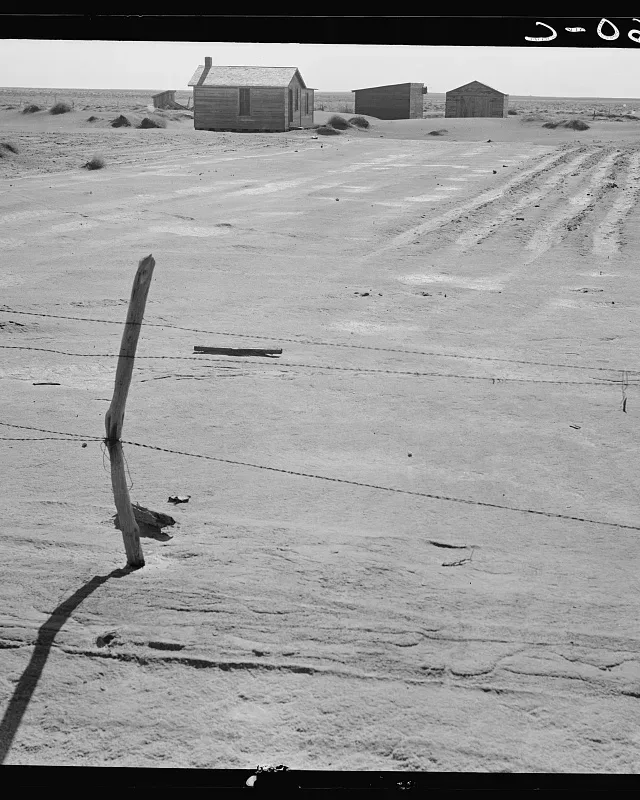
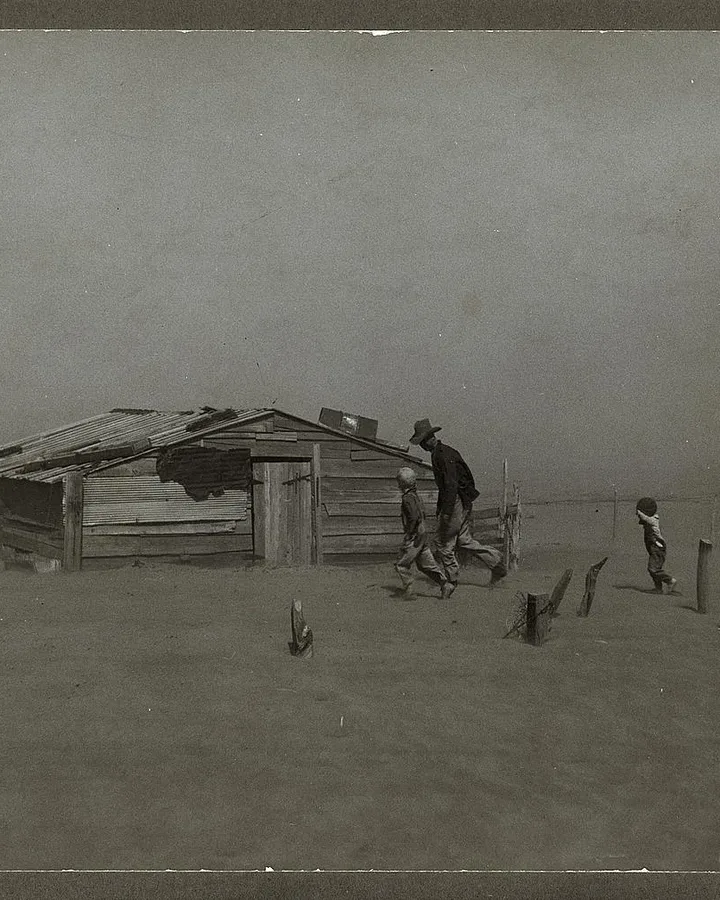
Rothstein was a Columbia University student who had helped his teacher Roy Stryker copy pictures for an economics textbook. In 1935 Stryker made him the project's first photographer. In April 1936, in Cimarron County, Oklahoma, he photographed a farmer and his sons walking against a dust storm, the image most people picture when they think of the Dust Bowl.
He photographed for the FSA until 1940, covering the Plains, the South, Appalachia and the West, and later became director of photography at Look magazine.
In this collection: About 1,270 photographs, 1935–1941. See Arthur Rothstein and the Dust Bowl; his complete archive is at rothsteinarchive.com.
Russell Lee
1903–1986 · The project's most prolific photographer
Lee trained as a chemical engineer, then turned to painting and photography. He joined the FSA in 1936 and made more photographs for it than anyone else, documenting towns and families in exhaustive detail, often with flash indoors.
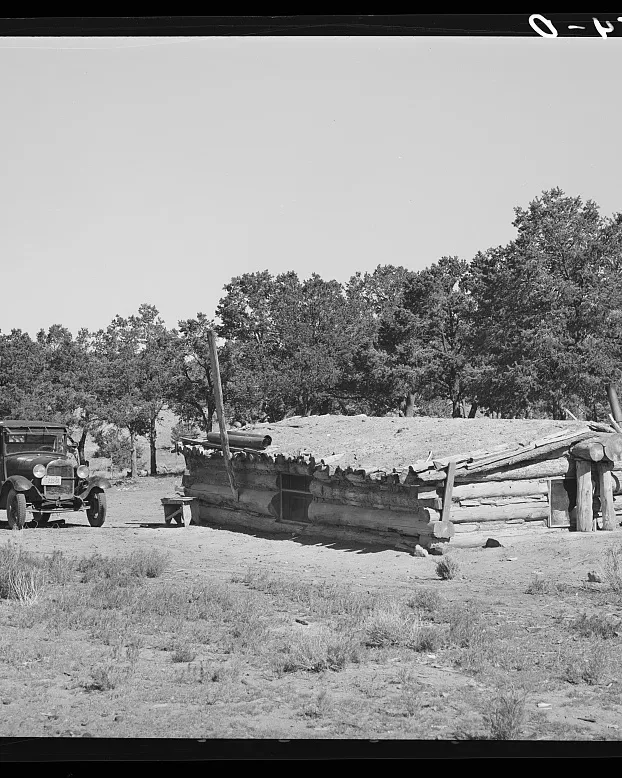
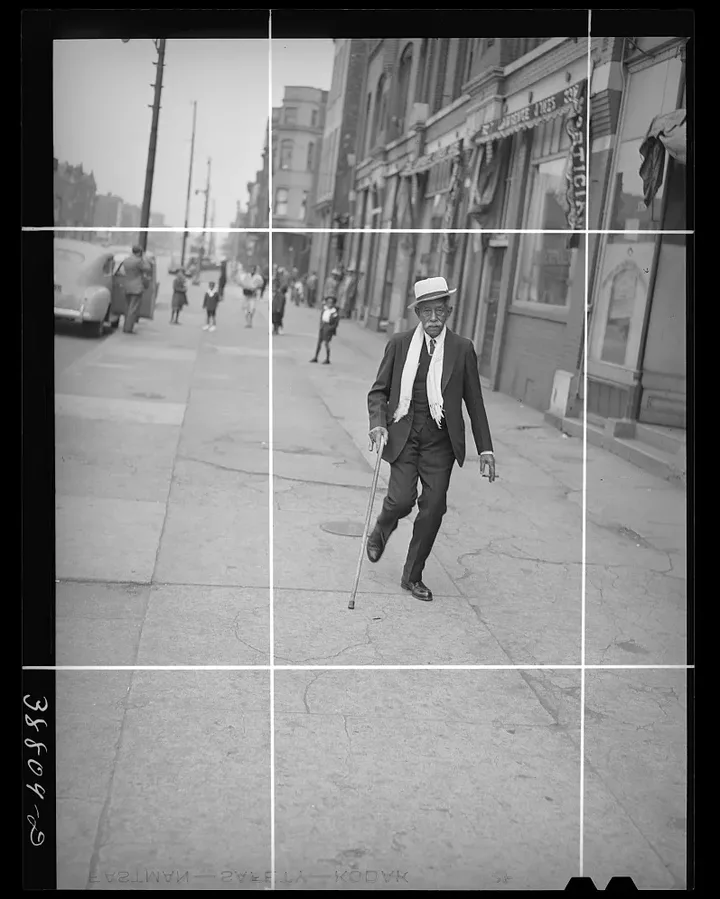
His best-known series cover San Augustine, Texas (1939), the homesteaders of Pie Town, New Mexico (1940), and Chicago's South Side (1941). After the war he led a government survey of coal miners' living conditions and later taught photography at the University of Texas.
In this collection: About 1,400 photographs, 1935–1941. See Russell Lee, Pie Town and Chicago; his complete archive is at russellleearchive.com.
Sources: Library of Congress: Russell Lee
Ben Shahn
1898–1969 · Painter with a Leica
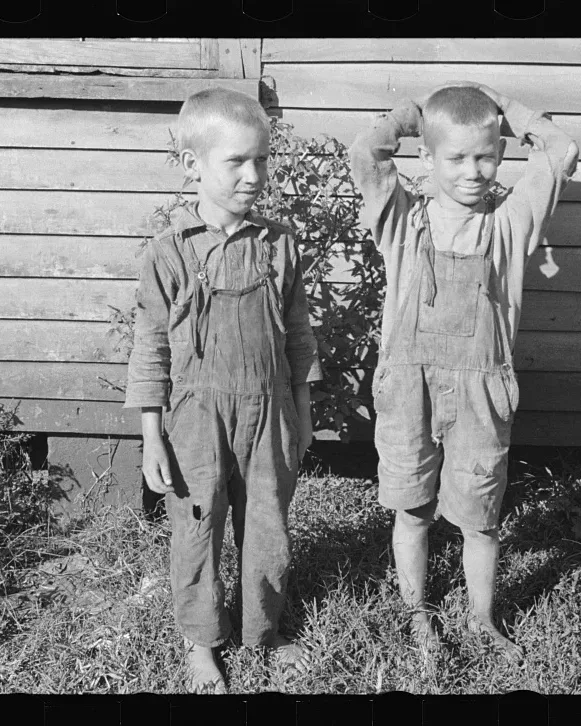
Shahn was a painter, known for his series on Sacco and Vanzetti, when he joined the Resettlement Administration in 1935. He used photography partly as a sketchbook for his paintings and murals, including the mural he painted at Jersey Homesteads, the New Jersey community where he later lived.
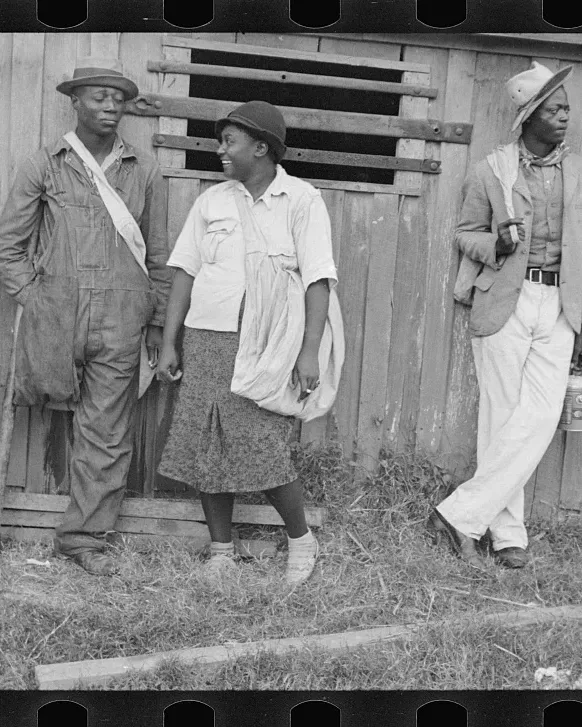
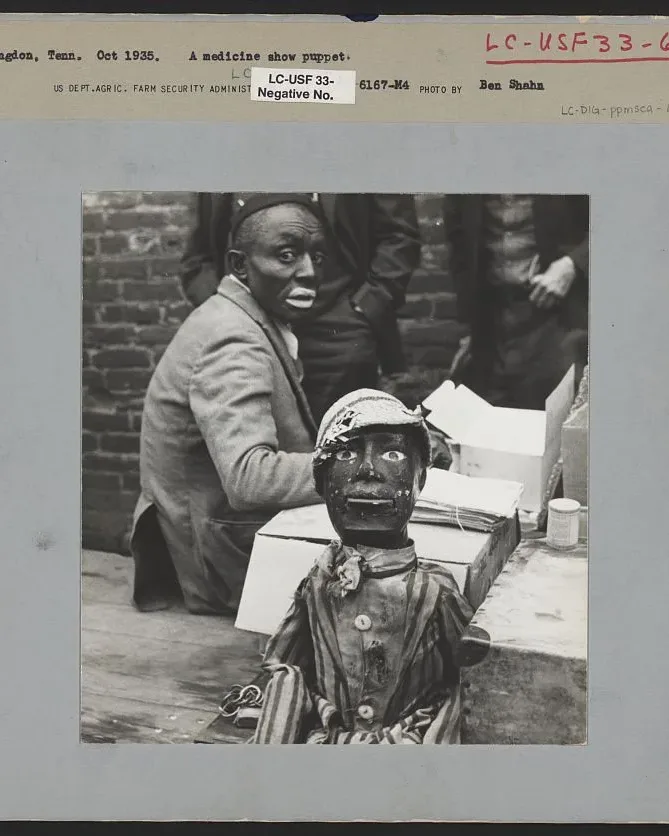
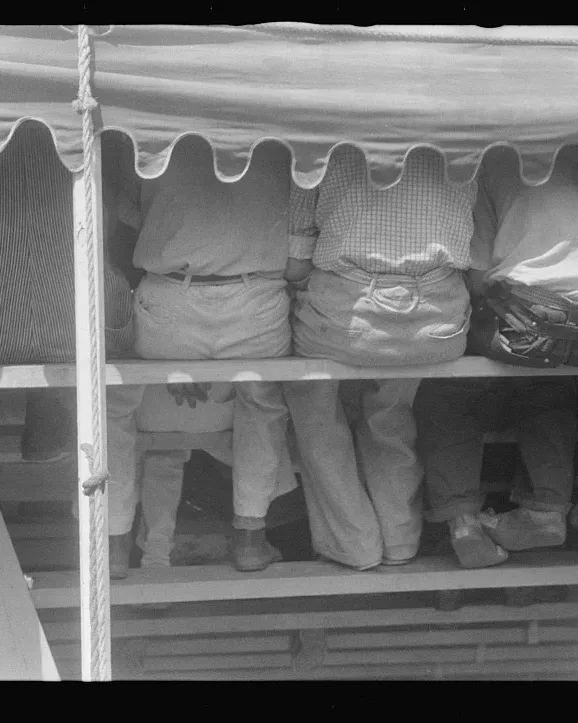
His candid pictures of people in public places, made with a small camera, are different in feeling from Evans's and Lange's. His 1935 trip through the South and Appalachia and his summer in central Ohio in 1938 are his largest bodies of FSA work.
In this collection: About 2,030 photographs, 1935–1941. See Ben Shahn and Ohio, 1938; his complete archive is at benshahnarchive.com.
Sources: Library of Congress: Ben Shahn
Roy Stryker
1893–1975 · Head of the Historical Section, 1935–1943
Stryker was not a photographer. An economist who had taught at Columbia under Rexford Tugwell, he was hired by Tugwell's Resettlement Administration in 1935 to run its Historical Section. He hired the photographers, briefed them with reading lists and shooting scripts, edited their work and placed it in newspapers, magazines and exhibitions.
He kept the file together through the move to the FSA and the Office of War Information and saw it transferred to the Library of Congress. He later ran documentary projects for Standard Oil of New Jersey.
In this collection: The whole collection was assembled under his direction. See the history of the project.